Trip Highlights
- Trip Durations 12 Days
- Trip Destination Nepal
- Group Size 1-20
- Accomodation Tea House
- Trip Grade Moderate to Strenuous
- Best Season Sept-Dec, March-May
- Max Altitude 5,416m
-
 Trip Start
Kathmandu
Trip Start
Kathmandu -
Trip End
Kathmandu
 Trip Start
Kathmandu
Trip Start
Kathmandu Trip Overview
Introduction to Annapurna Circuit Short Trek
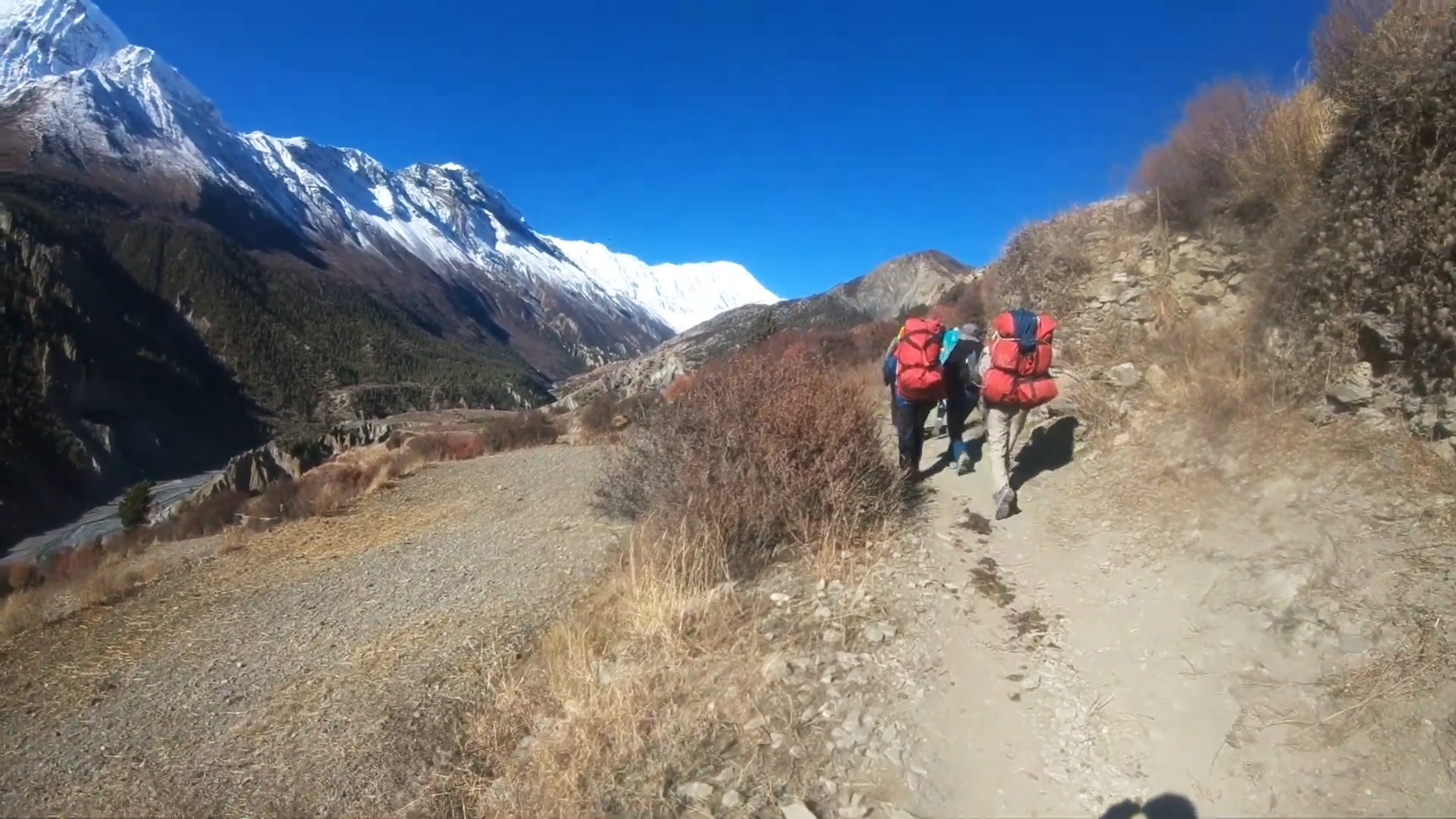
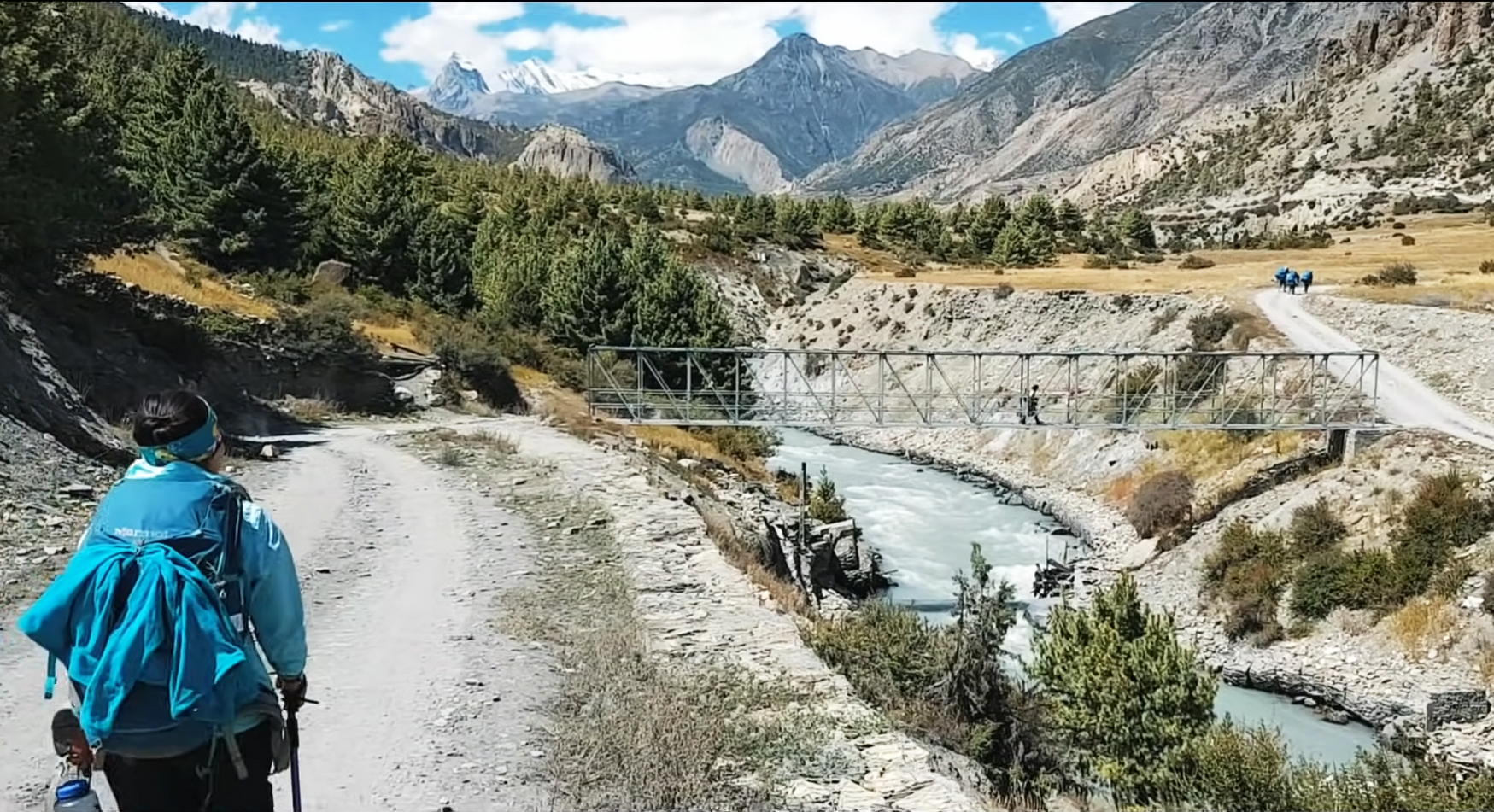
If trekking is your passion, then the Annapurna Circuit Short Trek is one of the best trekking adventures in Nepal. Indeed, it combines stunning landscapes, cultural experiences, and high-altitude adventure. Along the trail, trekkers explore temples, monasteries, traditional villages, and breathtaking Himalayan views. Moreover, interacting with local communities allows you to experience authentic Nepali culture.
Annapurna Circuit Short Trek Highlights
The main highlights of the Annapurna Circuit Short Trek include:
- Diverse landscapes: From subtropical forests to alpine deserts. Meanwhile, trekkers experience changing terrains almost every day.
- Mountain views:
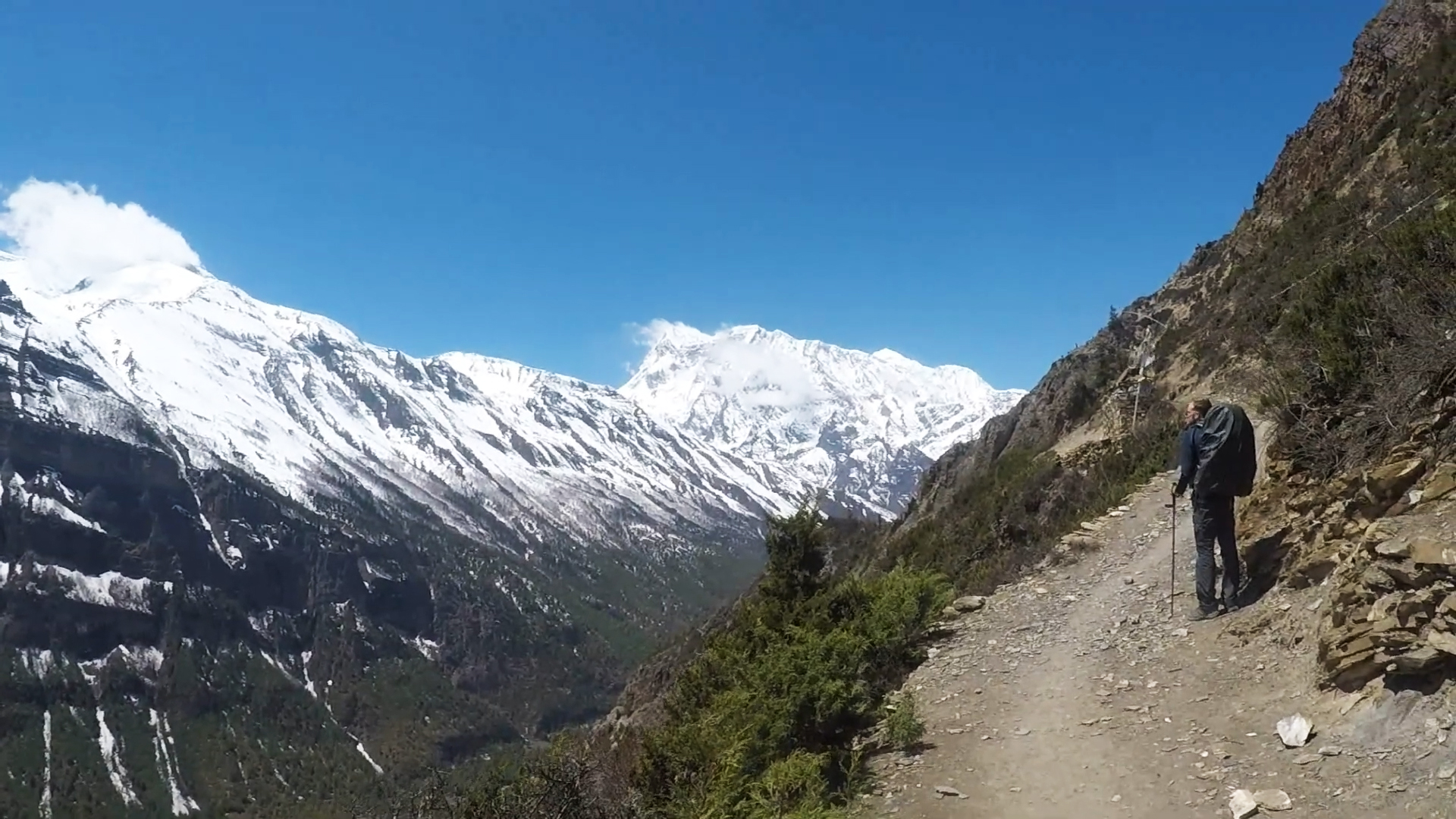
- Annapurna Range, Mount Dhaulagiri, Thorong Peak. In addition, these peaks offer incredible photo opportunities
- Cultural experience: Local Gurung, Tamang, and Magar communities. Furthermore, their traditional lifestyle gives insight into Nepalese heritage
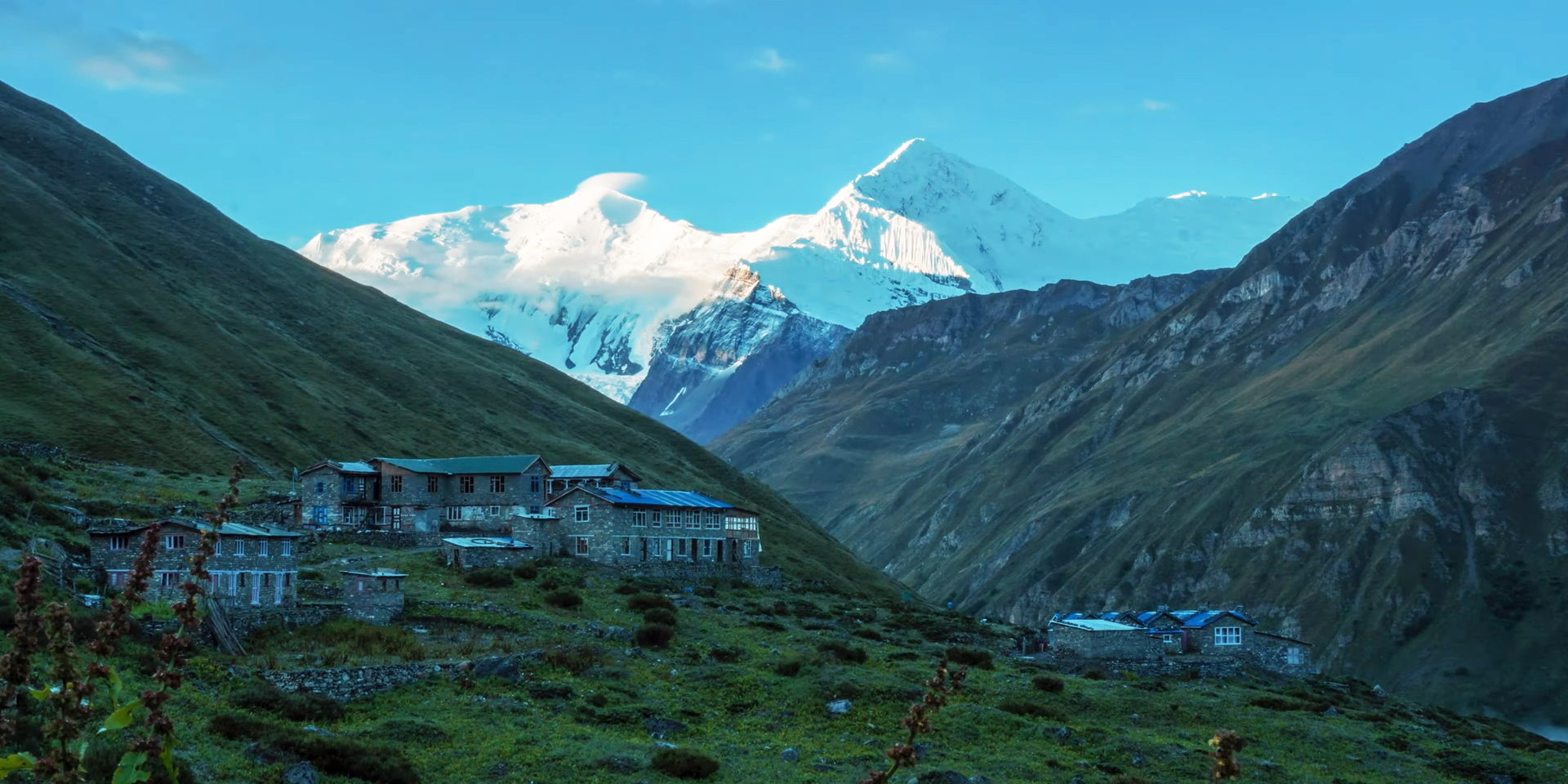
- Manang Valley: High-altitude desert and panoramic views. As a result, it is a perfect acclimatization stop
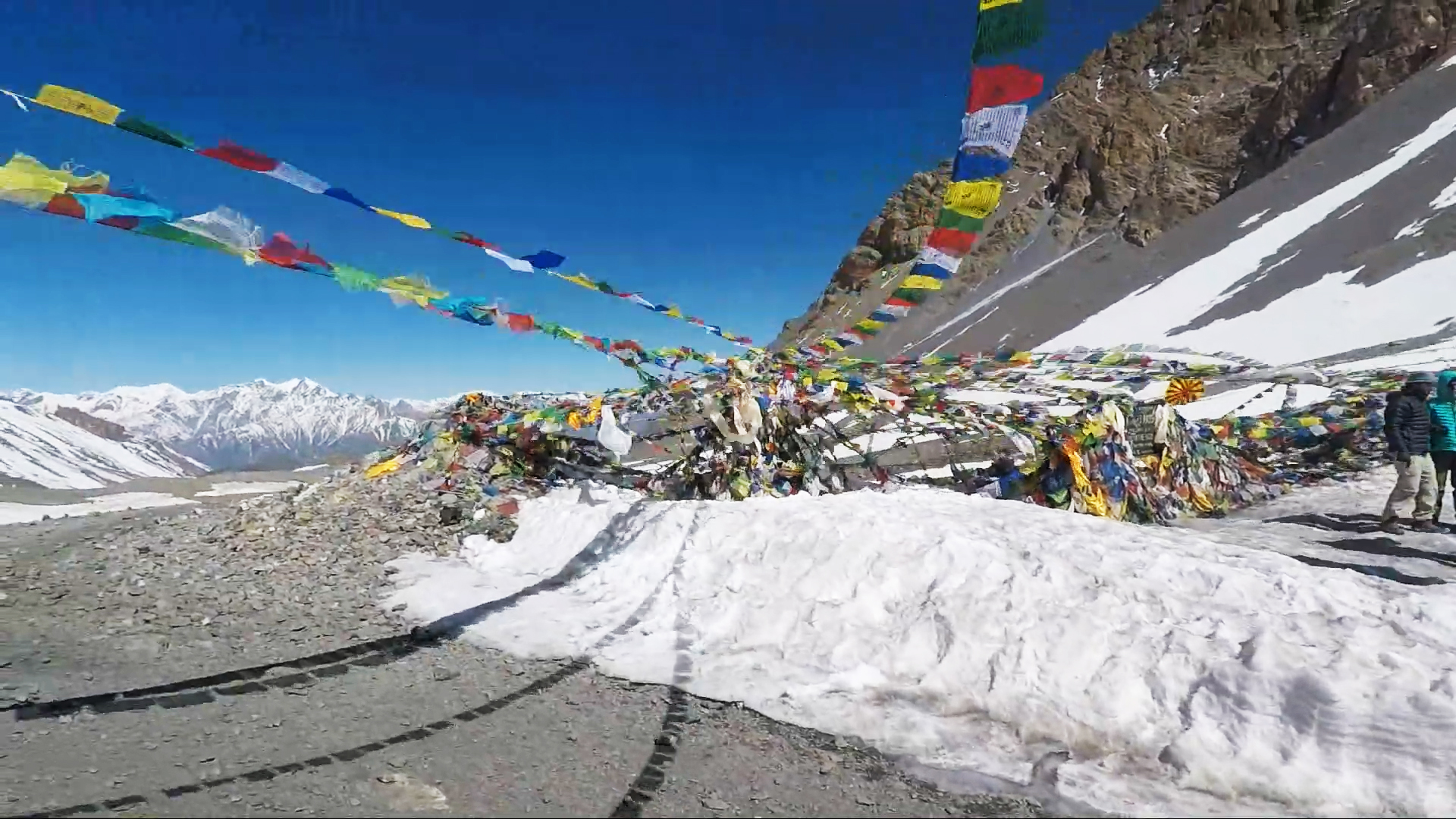
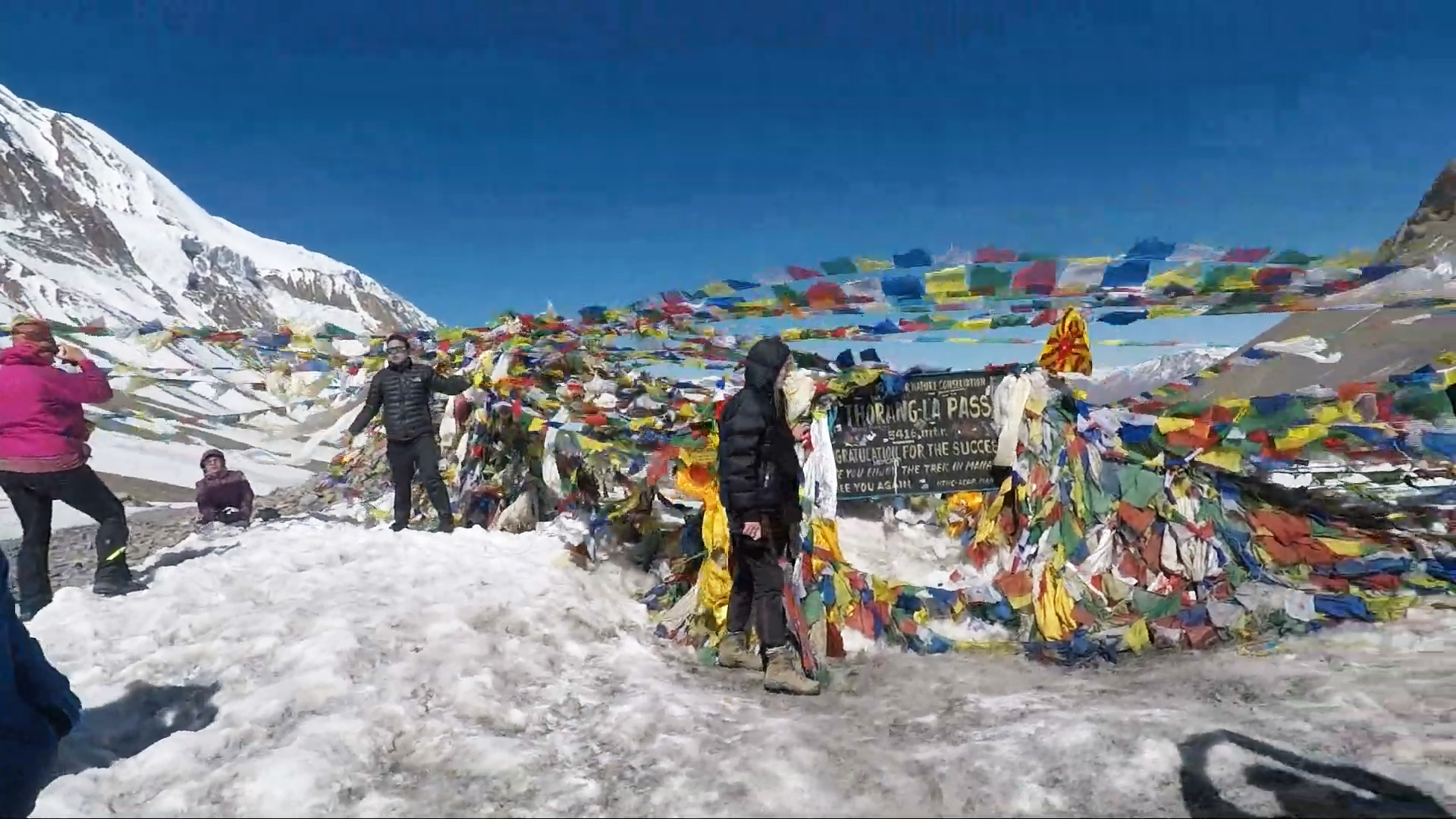
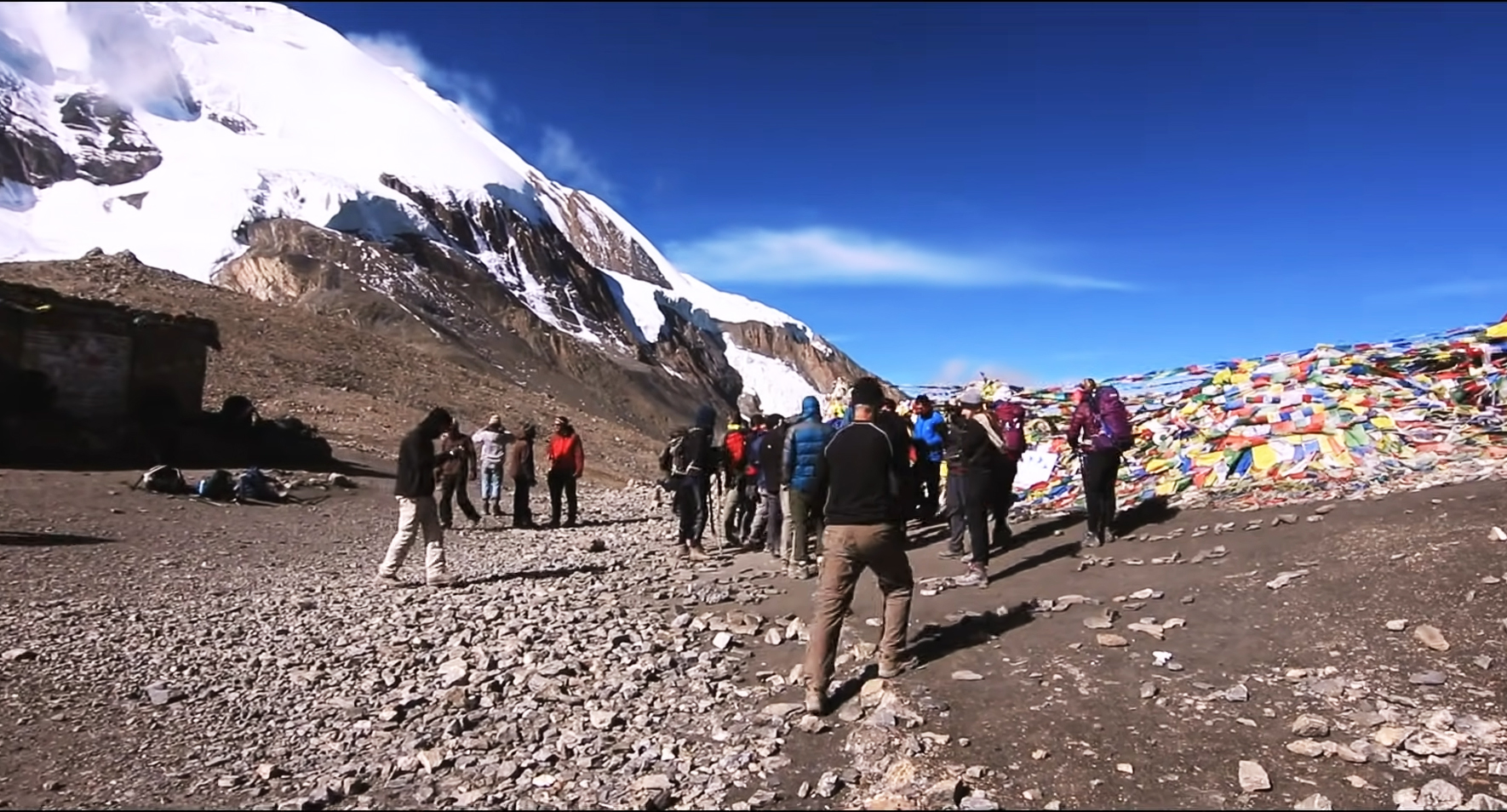
- Thorong La Pass: The highest pass at 5,416 meters. Consequently, it is the most challenging yet rewarding part of the trek
- Muktinath: Sacred Hindu-Buddhist pilgrimage site. Therefore, it is both culturally and spiritually significant
Manang Valley – Cultural and Mountain Highlights
Why visit Manang Valley on the trek?
- An isolated high-altitude region in the Annapurna rain shadow. Consequently, it feels like a remote Himalayan desert.
- Home to Gurung, Tamang, and Magar communities practicing Tibetan Buddhism. Moreover, you can witness their unique customs firsthand
- Ideal for acclimatization before Thorong La Pass. Therefore, most trekkers spend a day or two here.
- Stunning mountain views include Gangapurna, Chulu Mountains, Tilicho Peak, and Kangaru Peak. In addition, these peaks provide excellent photography opportunities
Thorong La Pass – Trekking Challenge
Thorong La Pass facts for trekkers:
- Elevation: 5,416 meters. Therefore, proper acclimatization is essential.
- The highest point on the Annapurna Circuit
- Offers panoramic Himalayan views
- Leads to Muktinath, a sacred pilgrimage site. As a result, this pass is culturally and spiritually significant.
You may visit: Nepal Buddhist Tour in Just 9 days, Cost, Package, Kathmandu.
Annapurna Circuit Short Trek Duration and Accommodation
Typical trek details:
- Duration: 10–15 days, depending on trekking speed and side trips. Moreover, some trekkers may take longer if they explore nearby villages.
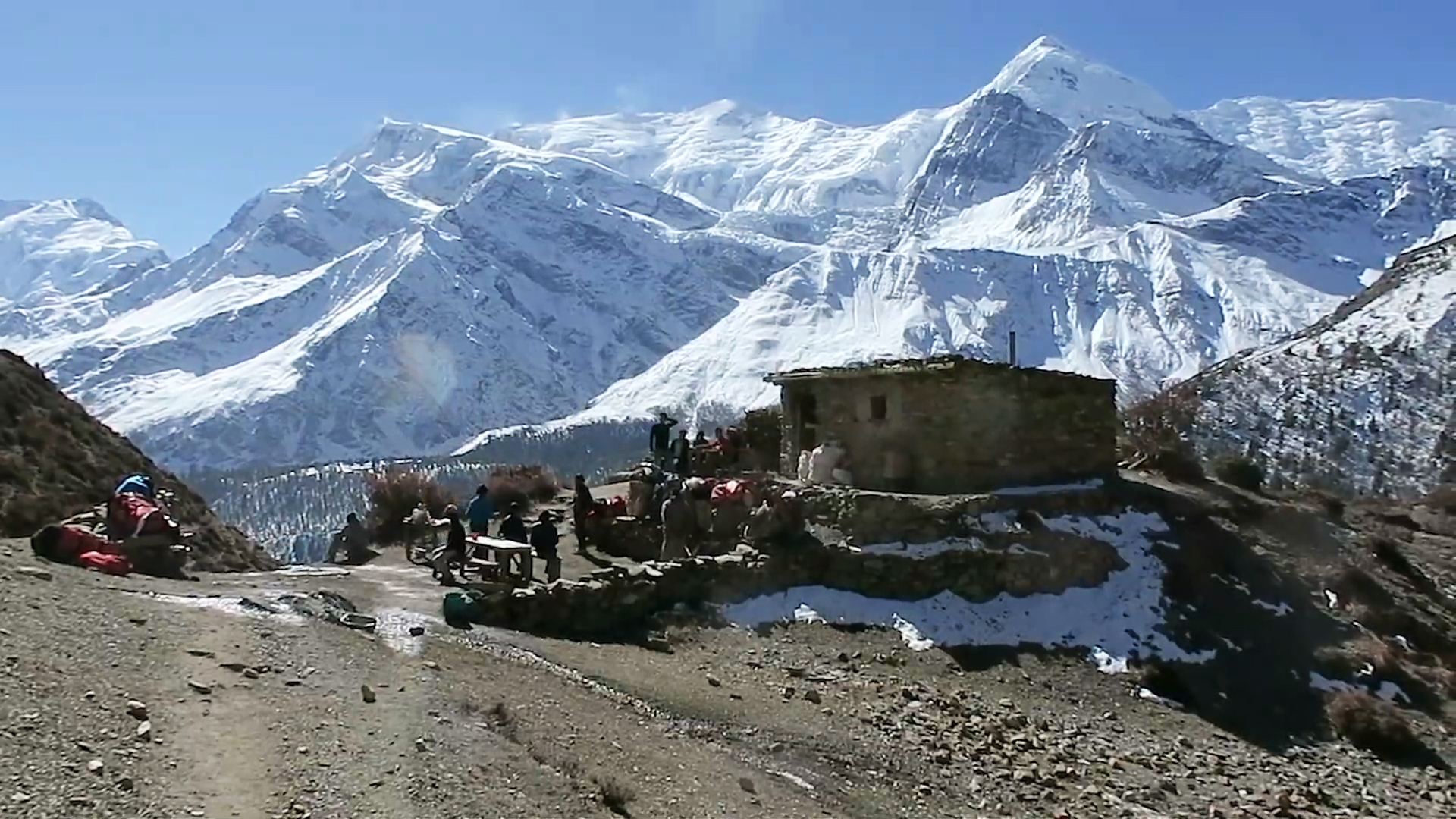
- Accommodation: Comfortable teahouses with meals. In addition, many teahouses offer Wi-Fi and hot showers
- Special treats: Famous apple pies in Manang and Mustang teahouses. Therefore, these stops become memorable highlights for trekkers
Best Time to Trek Annapurna Circuit
- September to December → Clear skies, stable weather, excellent visibility
- January to August → Trek possible with preparation, but may involve rain or snow
Frequently Asked Questions
Q1: What is the Annapurna Circuit Short Trek?
A: The Annapurna Circuit Short Trek is a 10–15-day trek that covers the most scenic and culturally rich sections of the Annapurna Circuit, including Thorong La Pass and Manang Valley.
Q2: How difficult is the trek?
A: It is moderately challenging, mainly due to the high-altitude Thorong La Pass at 5,416 meters.
Q3: How long does the trek take?
A: The trek typically takes 10–15 days, depending on pace, rest days, and side trips.
Q4: What is the highest point of the trek?
A: Thorong La Pass, at 5,416 meters, is the highest point.
You may also like to visit: Nepal Adventure Tour in 14 days, itinerary, Kathmandu, and cost.
Trip Itinerary
Drive Kathmandu to Jagat (1,100m) - 8 to 9 hours.
Jagat to Dharapani (1,860m) - 6 to 7 hours walk.
Dharapani to Chame (2,630m) - 6 to 7 hours walk.
Chame to Pisang (3,300m) - 5 to 6 hours walk.
Pisang to Manang (3,570m) - 6 to 7 hours walk.
Rest day – Explore around Manang
Manang to Yak Kharka (4,110m) - 4 to 5 hours walk.
Yak kharka to Thorong Phedi (4,600m) - 4 to 5 hours walk.
Thorong Phedi to Muktinath (3,800m) via Thorong La Pass (5,416m) – 8 to 9 hours walk.
Muktinath to Jomsom (2,743m) - 5 to 6 hours walk.
Fly Jomsom to Pokhara (1,400m) – 20 minutes.
Drive Pokhara to Kathmandu – 7 hours.
Why not list the price?
Each client's needs may be different. The price of the trip varies according to the size of your group and the service you want. The cost of the trip is calculated according to the type of service and accommodation chosen by our customers.
Each trip is customized to fit the client's needs and group size, so the price of each organized trip is different. Please let us know the service you want and the size of the group. We create trips to suit your taste and travel budget per your requirements. Hope you find our price calculation reasonable according to your needs and preferences.
Photo Gallery
Frequently asked questions about this trip
How difficult is the trek?
The difficulty depends on where and how long you want to trek. The short trek is easy while the long trek requires some physical fitness.
What is altitude sickness?
Altitude sickness is normally known as acute mountain sickness. This can happen when people rapidly climb up to an altitude of more than 3000 meters. We ensure minimal risk by adding rest to our trekking itineraries. Most people will feel some effects of altitude, some shortness of breath and possibly light headache, this is normal enough. Acute mountain sickness patients are quite different and usually have a serious headache, sickness, and lose awareness. In almost all possible cases there are sufficient warning signs to take action properly. Descending to a lower altitude is usually enough to prevent any further problems.
What type of accommodation is available during the trekking?
There are mainly tea houses and lodges available for trekking and they are usually made using local materials and are very comfortable. These accommodations are often family-run and usually provide single and double rooms. The dining room is on the ground floor and is often on fire. All food will be cooked in order in the family kitchen. Toilet facilities are sometimes separate and sometimes outside. Most lodges provide mattresses and blankets. It's a good idea to always have a sleeping bag, which can be useful, and perhaps an inflatable pillow.
How long do we walk every day on trekking?
Trekking programs are classified into three different categories: soft, moderate and hard. Soft treks are only about 7 days to 10 days in duration. They generally do not go above 4000 meters; you can expect to walk about 4-5 hours each day. Moderate treks are challenging enough and long treks that go to the high hill country. Physically exhausting, this involves trekking along the cliffs of the mountains for about 6-8 hours. Harder treks are longer treks that go farther away from the general abode of trekkers and tourists. These physically challenging treks involve walking for 7- 9 hours each day.
How much weight do I need to carry on the trek?
You carry some of your personal belongings, such as warm clothing, water, snacks, sun block, cameras and more. Generally, these items will be lightweight, from 5 to 10kg (10 to 20 pounds). Our porters are available for other heavy goods and for your information one porter would be sharing by two people. The maximum weight carried by one porter is total 20 kg. this means 10 kg. per person is allowed for the trek. In case if you wish to carry more than this weight then you need to hire additional porters.
What is the best time for trekking in Nepal?
October and November are considered as the best times for trekking in Nepal due to dry season. December and January are also considered good times for trekking but it is extremely cold at high altitudes.
Google Reviews
Guest reviews

We made it to Everest Base Camp on the 3rd of November!!! Myself and Dami Sherpa, who was the best company and always extremely helpful. Amazing hike and great experience! Fully recommended!

Odyssey Treks handled our whole 2-week visit to Nepal, including our 5/6 day trek in the Annapurna region from Pokhara. They did an unbelievable job making changes at short notice, and nothing was a problem for them. Service was first class from start to finish. Our guide Karma and...
Trip Highlights
- Trip Durations 12 Days
- Trip Destination Nepal
- Group Size 1-20
- Accomodation Tea House
- Trip Grade Moderate to Strenuous
- Best Season Sept-Dec, March-May
- Max Altitude 5,416m
-
-

Similar Trips

Jomsom Muktinath Trek – 12 Days